
Staying Prepared: Transforming Duffel Bags Into Emergency Go-Bags
How do you use a duffel bag as a go-bag? The importance of emergency preparedness cannot be overstated, and when the unexpected happens, having a go-bag packed with essentials means you can leave quickly.
Whether it’s due to a natural disaster like a fire or a storm, or a spur-of-the-moment family travel emergency, a simple duffel bag can serve as a practical, reliable go-bag for the prepared.
Sounds like a good plan, right? Okay, but what essentials do you need for your go-bag duffel? Below, we break down some necessary items to include, along with others you might consider adding.
Why Duffel Bags Make Excellent Emergency Go-Bags
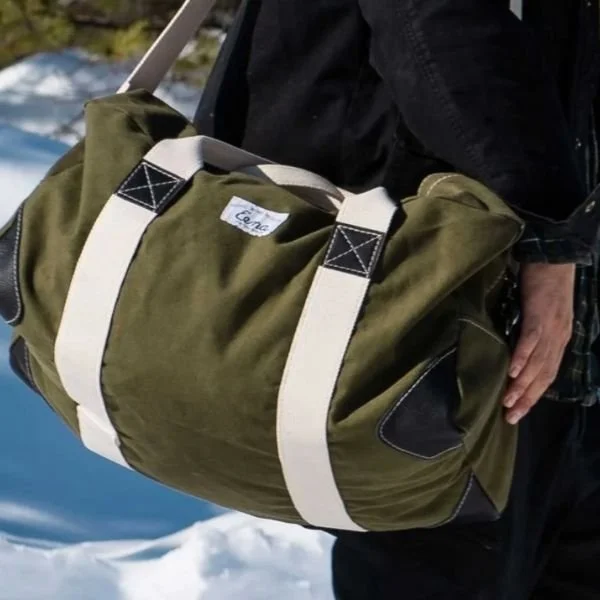
Traditional emergency kits and bug-out bags serve different purposes. But when you need to evacuate or leave for a short time, yet require more general items than a specialized emergency kit, a traditional go-bag is what you need. And a versatile, customizable duffel bag does the trick!
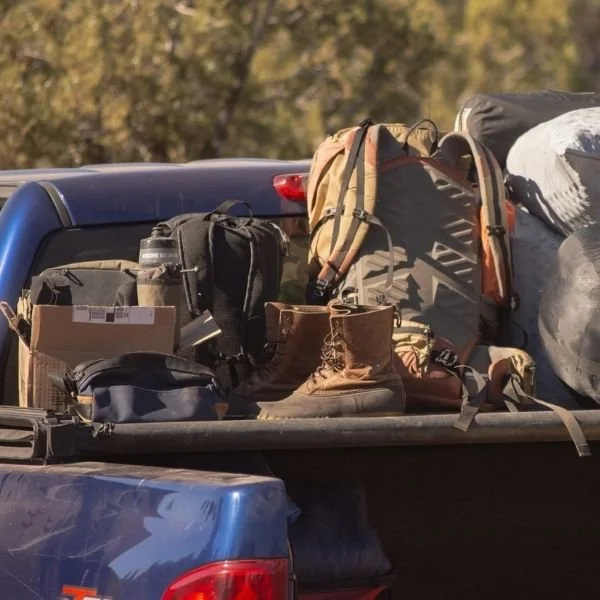
Unlike a larger bug-out bag that is ideal for long-term remote wilderness survival (think over 72 hours), the average 40–70L size duffel bag is roomy enough to pack the essentials, making them lighter and more portable (thanks to features like reinforced handles and straps), and is durable enough to toss into the truckbed or a plane’s overhead compartment.
Plus, duffel bags are easy to come by – you might even have a few spare duffels lying around just waiting to be transformed into an emergency go-bag.
What Items to Include in Your Go-Bag Duffel
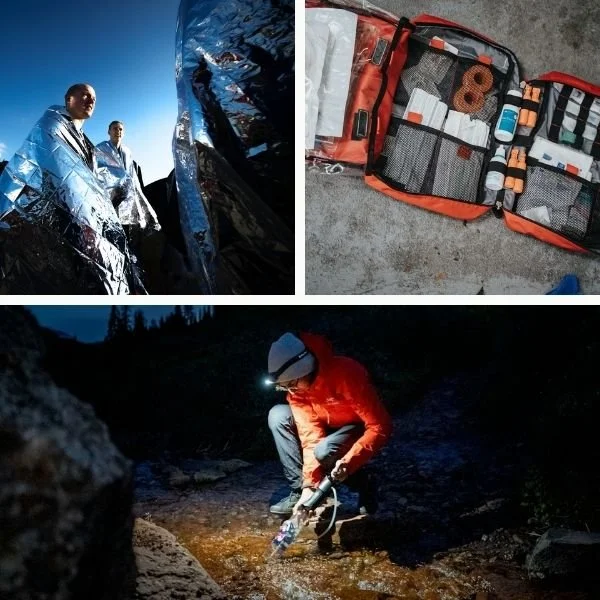
If you had to evacuate your home, what would you need? It all comes down to survival essentials/safety gear and your personal necessities. Let’s break it down further.
Survival Essentials & Emergency Gear
Water for hydration. Think bottled water, electrolyte packets, collapsible bladders, (and an extra mini-filter and water purification tablets, if possible)
Non-perishable food. High-calorie bars, freeze-dried meals, etc.
Emergency shelter. This means a bivvy or a small tarp, an emergency blanket or a compact sleeping bag (even when your vehicle breaks down without power/heat), and paracord.
First-aid kit
Dust masks or N95s
Flashlight and/or headlamp and batteries
Multitool
Duct tape
Whistle
Lighter and waterproof matches
Personal Necessities
Extra clothing. Thermal base layers, hats, socks, gloves, and a rain jacket. Aim for hand-washable wool that you can reuse multiple days.
An extra pair of hiking boots or shoes
Basic hygiene items (soap, wet wipes, toothbrush/paste, mini towel, hand sanitizer, etc.)
Medications (for you and pets)
Photocopies of important documents. Make physical copies of IDs, medical information, and an emergency contact list. Keep files on a USB drive in your dry bag, but don’t rely solely on digital!
Extra power bank and/or phone charger
Cash (ideally in small bills)
Transform Your Duffel Into an Emergency Go-Bag
Now that you’ve gathered all your emergency gear for your go-bag, let’s discuss ways to transform a duffel bag into a go-bag for those unexpected emergencies. Organizing and maintaining a go-bag duffel ensures you can evacuate as soon as possible, knowing you already have everything you need.
Good Go-Bag Organization
As a whole, it helps to categorize items into packing cubes and clear pouches, making everything visible. If color-coding and labeling bags help you see clearly, then go ahead and do it! The less chaotic it is inside, the faster you can retrieve an item.
Keep in mind, however, that you should have important items like flashlights and first-aid kits in exterior pockets or at the top of the duffel bag.
Take inventory and make a go-bag checklist of the items you need. Laminate the preparedness checklist to allow you to tick off items as you maintain it and keep it up to date.
Go-Bag Duffel Maintenance
Speaking of maintenance, remember to mark your calendar to set aside time to update your go-bag. This maintenance check should be every 6 months or so. In general, you want to ensure you refresh and update items like new medications, adding a new mini water filter, or simply tossing expired food or batteries.
Test gear periodically to ensure it still operates as expected. This goes for flashlights and chargers.
It’s also not a bad idea to update clothing to reflect the season. Swap base layers for lightweight clothes as you head into summer, and vice versa.
Of course, update personal documents as well, to reflect any medical or life changes.
Last but not least, be sure to store your duffel go-bag somewhere easy to grab. A coat closet closest to the front door, or even on a shelf in the garage, works fine.
Prepare Your Go-Bag Duffel Today!
You never know when you and your family might find yourself in a disaster. And in a crisis, things are already stressful. So don’t wait to scramble for everything you need – prepare your go-bag today!
Grab a sturdy, rugged, waterproof duffel bag (or two or three, depending on your family’s size) and personalize it with items each of you needs when you're on the go.