
How to Clean A Wall Tent
Is your wall tent looking dirty these days?
Learning how to clean a canvas wall tent is important. But we’re not merely talking about that amber hue and creosote from a woodburning stove’s smoke and stove pipe. (If you ask us, it just gives your wall tent a tried-and-true character and makes you look like a veteran camper.)
No, we’re talking about the dirt and things that cause real issues: Bird droppings, sap, mud, rust and so on. Those things might look unsightly and unsanitary, but, more importantly, they can cause further damage by fostering mold and mildew.
So here’s how to clean a wall tent to keep it in good shape.
How to Clean a Wall Tent
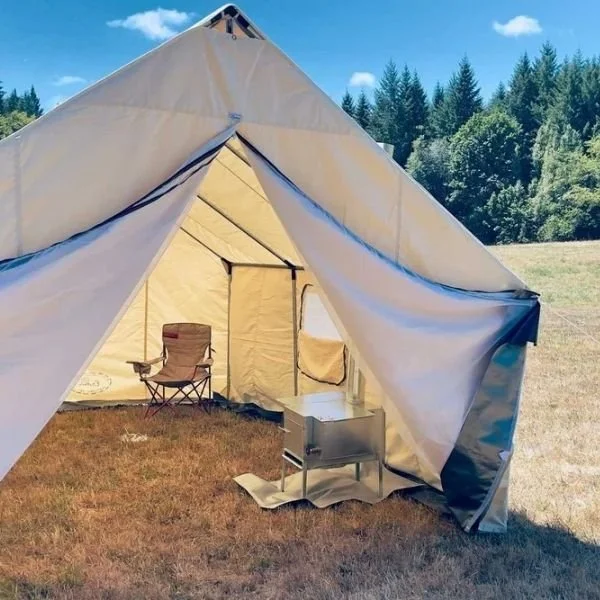
From sod cloths to angle kit pieces and the canvas that binds them all together, here are the best methods for cleaning your wall tent properly.
Dry Clean the Wall Tent During Breakdown
Always sweep before breaking down your wall tent. Now, canvas wall tents have sod cloths, not floors. But it’s still important to brush away any leaves, bird droppings, mud, dirt, or hair from the walls and ground tarp/rugs, as they could leave marks somewhere else once packed down. Perform this step AFTER the mud and such has dried.
Clean the guy lines and ground pegs. Unless you want a mud-splattered canvas, wipe off the attached guylines before you throw them into the pile and fold up everything. Alternatively, you could attach guy lines with a carabiner, detaching before you pack it in.
Clean the zippers. While your tent is pitched and unzipped, take the opportunity to clean and maintain zippers. Otherwise, dirt and sand could cause snags down the road. A toothbrush is the perfect tool for this.
Wipe down the sod cloth. Also, clean the attached sod cloth before packing it. Luckily, sod cloths are often made of weatherproof vinyl/poly, making them easier to clean than canvas. Just wipe down the moisture and condensation with an extra towel.
Spot Clean the Canvas Walls
Getting stains on your canvas tent is inevitable. It happens so frequently that it’s best to just spot clean regularly (instead of washing the whole dang thing). But there are a few must-know tips to spot-clean those stains:
Brush away dirt and debris. If you didn’t do so during breakdown, do a quick “dry cleaning” of the canvas. Brush away dirt and sponge off initial surface debris. You can even use a vacuum. The main objective is to clean the canvas as best as possible to minimize the use of solvents or aggressive scrubbing that can dissolve protectants.
Clean the canvas with mild soap and hot water. Sticking to this good-old-fashioned cleaning solution and using soft brushes and elbow grease does the trick for most stains and spots. Scrubbing takes patience, but it’s the safest method. Rinse the canvas well afterwards.
Take on tougher stains. A high-pressure garden hose wand attachment also does the trick, blasting off tougher stains like caked-on bird droppings and tree sap. A word of caution: We recommend avoiding a real pressure washer, though, as this can strip any treatments.
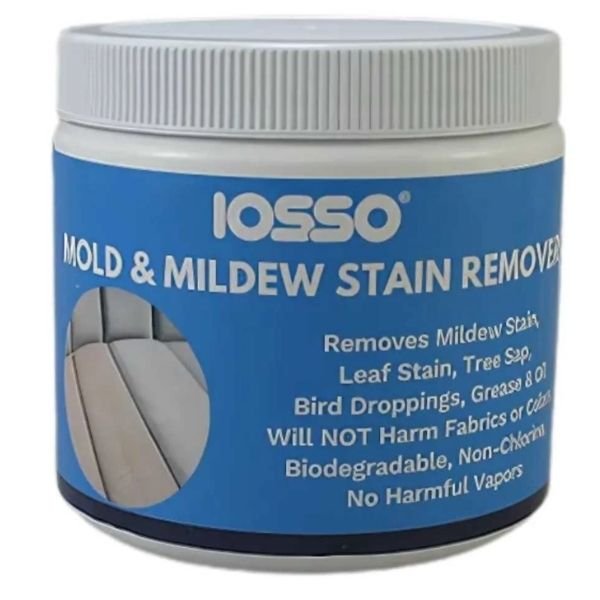
Another way to tackle tougher stains on your wall tent is to use the Iosso Mold and Stain Remover. It’s a biodegradable, canvas-safe cleaner, perfect for applying to anything from canvas wall tents to canvas tarp cargo covers. Some recommend diluting bleach to clean canvas, but we caution against this because it can break-down threads and the canvas itself. But sometimes people feel this is their last hope - especially with mildew.
Retreat the canvas after a deep cleaning. Deep cleaning canvas will remove protectants that are in place when your tent was new. So apply a water repellent solution to areas that you cleaned. We recommend Dry Guy Waterproofer or 303 Fabric guard.
Wipe Down the Rafters & Angle Kit Pieces
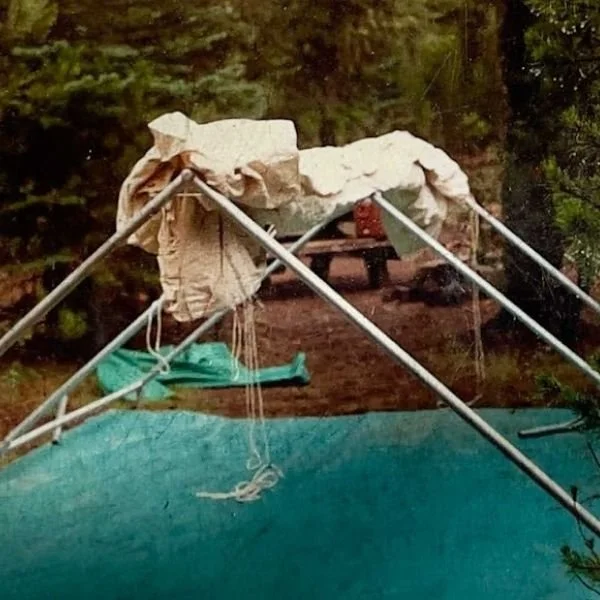
This step is especially important if you have a metal pole frame. And even with hand-cut wooden rafters, the metal angle kit pieces should be cleaned separately. Here’s what to do:
Wipe or hose down each piece with water and mild soap, spraying out caked-in mud or tough dirt. If basecamp is often near briny waters, double-check for salt accumulation and wipe that away, too.
Address rusty surfaces. If you see any corrosion or rust spots, remove them with steel wool or a wire brush. Feel free to apply a rust-inhibiting treatment as well (think Rust-Oleum).
Lubricate the joints. While you’re at it, check to see if any angle pieces need lubrication. Rubbing a silicone lubricant or spray helps prevent corrosion and rust. But it also helps you set up your frame smoothly, too!
A Caution About Mildew
Mildew is by far the biggest killer of canvas tents. And you can’t simply spot clean entire areas where mildew has spread.
The best mildew prevention starts with proper maintenance and storage. Avoid putting the canvas away while it’s still wet. Even a slightly damp canvas can attract mold and mildew. So be sure to dry the canvas thoroughly. Hang it out in the sun, ideally, or in the basement if you’re in a pinch. And reapply waterproof treatments as needed.
However, if you do indeed find a spot of mold or mildew, kill it before it gets any worse. But don’t use standard mildew removers (like you would for bathroom tile); they’re too harsh and can damage the canvas itself, stripping any color or water repellent. Applying Iosso Stain remover multiple times will be our best suggestion, along with extended exposure to sunlight. Unfortunately, once mildew sets in, the color of your canvas will likely be changed forever.
Caring for Your Wall Tent
Cleaning is just one of the many steps of caring for your wall tent. From seasoning the canvas to pitching the frame on a proper site – even the way you store and transport your wall tent – all have great effects on its lifespan.
So just remember, when it comes to your tent, Bob Beckel said it best:
“Treat it like an honored friend, and it will serve you well.”