
Canvas tents are steeped in American military history. From the American Revolution to World War II, soldiers and generals relied on these portable shelters. Today, history buffs and veterans use them in reenactments across the country.
Here is a breakdown of the canvas tent styles used at American war reenactments and the eras they represent.
Tent Styles Used Throughout the American Wars
The list is divided by tent styles. Why? Because there is significant overlap. Most tent styles were used across multiple wars; they simply served different purposes. So, if you participate in several American War Reenactments across the country, you can see how each tent fits into the scene to be historically correct.
Wall Tents
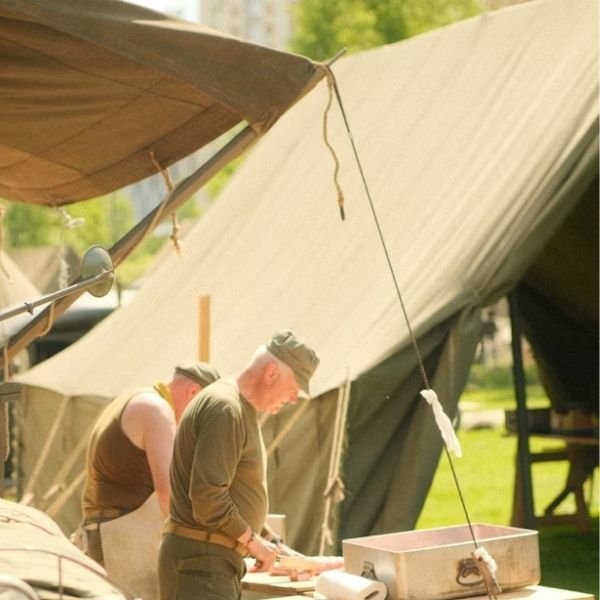
Wall Tents have vertical side walls, creating a tall, roomy space for cots, trunks, and gear.
Wall tents were practical and used for all kinds of military campaigns, especially for larger, longer encampments. A wall tent’s modular capabilities allowed them to connect end to end, creating larger military barracks, field hospitals, supply stations, and headquarters. In fact, while wall tents gained footing during the Civil War and in frontier encampments, they always seemed to find their place on the battlefield and are used in all types of reenactments today.
Beckel’s EENA Wall Tent offers a modern take while keeping the heavy-duty canvas and strong seams designed for repeated use at yearly reenactments.
Commonly used at:
Civil War reenactments
Frontier and Old West living-history camps
War of 1812 reenactments
Large encampments such as Fort Bridger Mountain Man Rendezvous
The Wedge / A-Frame Tent
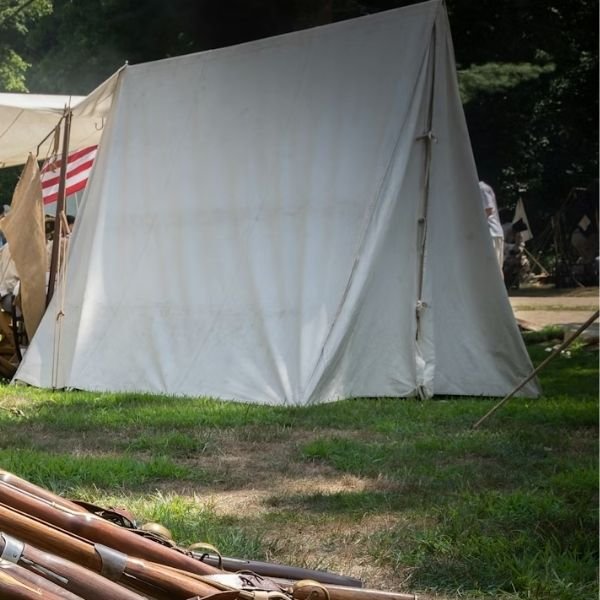
The simple yet practical wedge tent became a very common tent shelter in America, especially popular during the Fur Trade, and could sleep two people. However, you can also find old photos of Civil War camps lined with rows of wedge tents. It’s a straightforward design still used today and a staple of historic reenactments.
Wedge tents offered practical features, such as sloping canvas sides and split double doors that promoted airflow. Opening a single flap allowed for ventilation, even during adverse weather, without risking other essential gear. Lightweight and quick to pitch, wedge tents suited armies on the move.
Beckel’s TT Tent is similar in design to the traditional wedge tent, though it is not an exact replica. Consider event requirements if historical accuracy is important for your reenactment.
This Scout About A-Frame shares qualities with the classic wedge tent and may serve as a suitable alternative, depending on the era you wish to represent. Check with event guidelines for historical accuracy requirements.
Commonly used at:
Revolutionary War reenactments
French & Indian War encampments
War of 1812 reenactments
Early Civil War reenactments (Battle of Lexington & Concord)
Pup Tents or Shelter Halves
Pup tents, also called shelter halves, were the most basic, barebones of shelters designed for soldiers to carry along with their rifle, ammo, rations, and an entrenching tool – basically, the essentials. Barely able to sleep two soldiers, each shared the load, carrying one two-pound rectangular panel half, stakes and poles.
Pup tents and shelter halves were common in WWI and WWII, often made of olive-drab canvas that served as camouflage.
This Scout About A-Frame is a classic pup tent, though admittedly more spacious than a shelter half. If you’re looking to create a more period-accurate shelter half, we recommend modifying the Whelen Lean-To or DIYing something from a basic canvas tarp.
Commonly used at:
Civil War reenactments
World War II infantry reenactments (D-Day Conneaut)
WWII airfield living-history camps
The Sibley Tent and Bell Tent
Sibley Tents cover a wide range of reenactments. Historically speaking, they were quite common during the early Frontier days and the Civil War. The Sibley, which eventually transformed into modern-day bell tents, was patented in 1856 by the U.S. Army officer Henry Hopkins Sibley. Their conical tipi design is no coincidence; Sibley modified it based on Plains Indian tribes’ shelters.
Sibley tents were larger than the A-frame or Pup tent, making them too bulky for active campaigns. Instead, Sibley tents were often stationed in a single location for months. However, they offered soldiers and frontier settlers the warmth needed during harsh winters, thanks to their thick canvas and a vent hole that allowed smoke from the center stove to escape.
Historically accurate Sibley tents are harder to come by. But a canvas bell tent should pass event regulations.
Commonly used at:
French and Indian War reenactments
Revolutionary War reenactments
War of 11812 reenactments
Early Civil War reenactments (Battle of Lexington & Concord)
Miner Tent
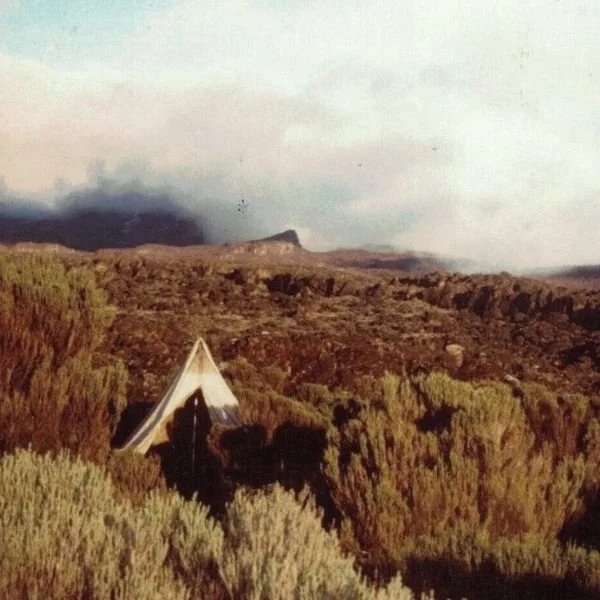
The Miner Tent is a pyramid range tent once popular with Klondikers and 49ers during the Gold Rush days, and the mining boom out west. They were easily transportable, sturdy in rough winds and terrains, and offered a bit more headroom and space than similar pup tents or shelter halves.
Miner tents rarely saw battle but are ideal for Old West reenactments or heritage festivals.
Bringing the Best Tent for Your Reenactment
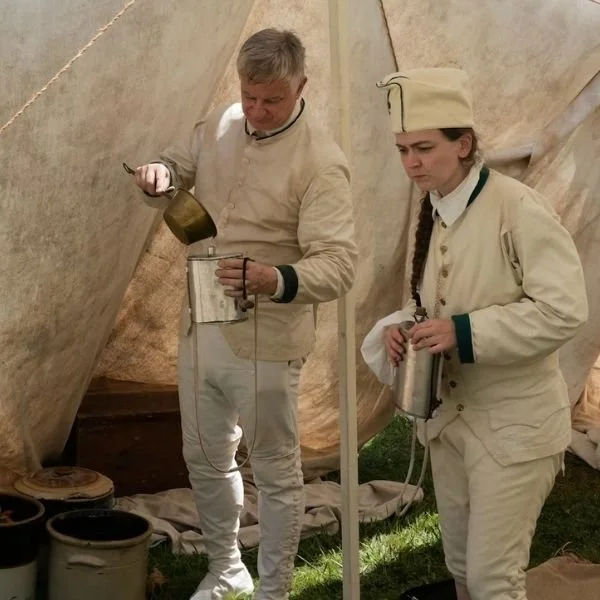
Whether you sleep in a Civil War infantry camp or set up a frontier trading post, choose a reliable, historically accurate canvas tent.
Research the period, review old photos, and consider accessorizing your camp for inspiration.
And always review the event guidelines, rules, and regulations. Some are strictly period-correct, asking you to look and feel the part so you don’t break immersion. The whole idea is to look and feel the part.